Why Relationships Outperform Strategy in the Music Business (And Always Have)
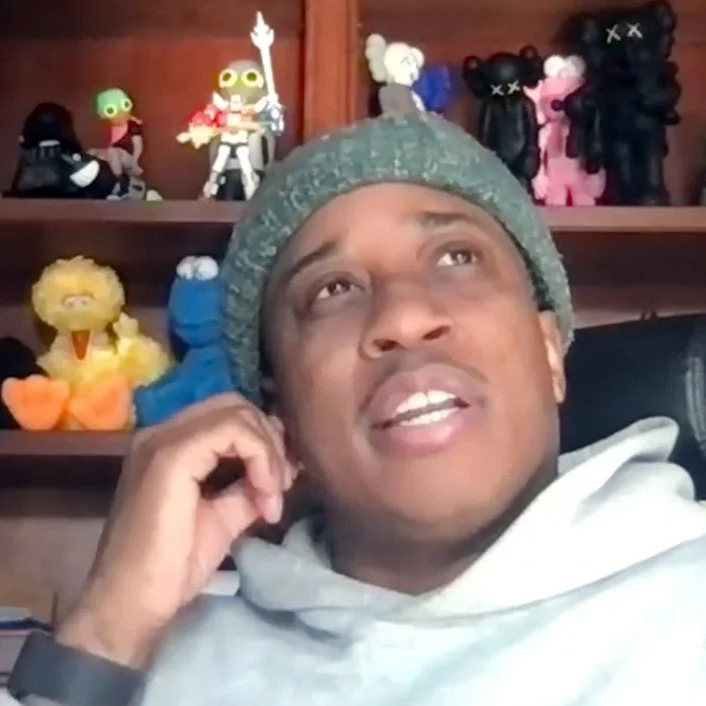
If there’s one lesson that echoes through recent Mixed and Master guest, Steve Careless’s career—from intern to Grammy-nominated creative architect—it’s this: relationships scale further than strategy ever will.
That idea sounds simple. Almost cliché. Until you realize how consistently it shows up at every inflection point of his story.
Steve didn’t enter the music business with power, money, or leverage. He entered with curiosity. Studying liner notes. Writing down names from The Source and Vibe. Learning who did what, where, and why. Not to chase clout—but to understand the ecosystem. When opportunity finally showed up, he wasn’t guessing. He was fluent.
That fluency turned into trust.
At Star Trak, Steve wasn’t just answering phones. He was listening. Watching how decisions were made. Learning how publishing, sync, and licensing actually worked. When people called looking for Pharrell or Rob Walker, Steve was often the first voice they heard. That mattered. Because relationships don’t start when you need something—they start when you’re present.
Later, at Def Jam, those same instincts paid off. While others focused strictly on traditional radio and promotion lanes, Steve leaned into mixtape culture and DJ relationships. Best of Both Offices wasn’t a corporate initiative—it was a cultural one. It worked because it respected how people actually discovered music. That credibility unlocked access. And access unlocked careers.
The same pattern shows up again with YG. When the New York office couldn’t fully grasp his West Coast momentum, Steve didn’t rely on reports or metrics. He moved. Slept on couches. Went to house parties. Lived inside the culture long enough to understand it. The result wasn’t just a hit single—it was My Krazy Life, a debut album that told a complete story and launched a lasting career.
And then there’s Nipsey Hussle.
Steve’s relationship with Nipsey wasn’t transactional. It was patient. Built over years, setbacks, and missed timing. When the moment finally aligned, the trust was already there. That trust turned into Victory Lap, Grammy recognition, and a legacy-defining body of work.
Even his work with Beyoncé followed the same rule. The opportunity didn’t come from pitching himself—it came from people who already trusted his taste, discretion, and preparation. When he brought “Brown Skin Girl” into the room, it wasn’t persistence alone that carried the moment. It was credibility built long before the song ever played.
The takeaway is clear: strategy opens doors, but relationships keep them open.
In an industry obsessed with hacks, shortcuts, and virality, Steve Careless’s career is proof that longevity is built differently. It’s built by showing up early, staying late, doing the unglamorous work, and treating every interaction like it matters—because eventually, it does.
Culture moves fast. Trust moves slower.
But trust is what lasts.