What Grief Teaches Us About Empathy
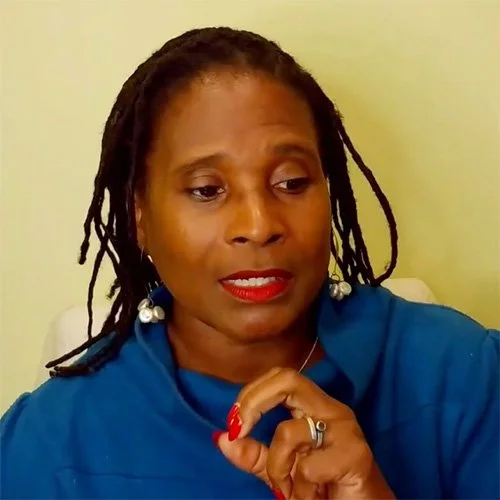
Grief has a way of revealing the limits of language.
When loss enters the room, especially the loss of a child, people often rush to fill the silence with words—words meant to comfort, explain, or soften the blow. But as the episode of Two Mothers, One Aché titled ‘What Do I Say?’ makes clear, the harm in grief rarely comes from bad intentions. It comes from discomfort. From the urge to fix what cannot be fixed.
Phrases like “At least you have other children,” “God has a plan,” “Everything happens for a reason,” or “Time heals all wounds” are often inherited, automatic responses. They’re familiar. They’re cultural. And they frequently miss the mark. Instead of offering comfort, they minimize pain, rush healing, or suggest that grief should already be resolving itself.
The central lesson from this conversation is simple and challenging: empathy is not explanation—it’s presence.
Grief is not a puzzle to solve or a lesson to justify. When we explain loss away—through theology, optimism, or comparison—we often move ourselves out of the discomfort while leaving the griever alone in theirs. Real empathy does the opposite. It stays.
Even common questions can place an unfair burden on someone in active grief. “How are you?” is enormous when a person is barely surviving. It requires emotional labor many grievers don’t have access to yet. Smaller, more grounded questions—Did you eat today? Do you want company or space? Can I bring you something?—acknowledge reality without demanding performance.
What consistently helps is rarely eloquent. It looks like showing up with food. Doing laundry without asking. Sitting in silence. Saying, “I love you. I’m right here.” These actions communicate safety. They say, You don’t have to be strong. You don’t have to explain yourself. You’re not alone.
This matters because grief is already isolating. When people disappear out of fear of saying the wrong thing, that isolation deepens. Silence can be supportive; absence is not. If you don’t know what to say, say that. If you’re unsure what’s needed, stay close enough to find out.
Another hard truth this episode surfaces is the burden of being labeled “strong.” Grievers—especially mothers and caregivers—are often praised for resilience when what they really need is permission to fall apart. Strength should never be a requirement. Compassion sounds more like: “It’s okay if you’re not okay. I’ve got you.”
If grief teaches us anything, it’s humility. It asks us to speak less, listen more, and examine whose comfort our words are really serving. Grief doesn’t need answers. It needs witnesses.