Feeling Joy After Child Loss? The Guilt No One Warns You About
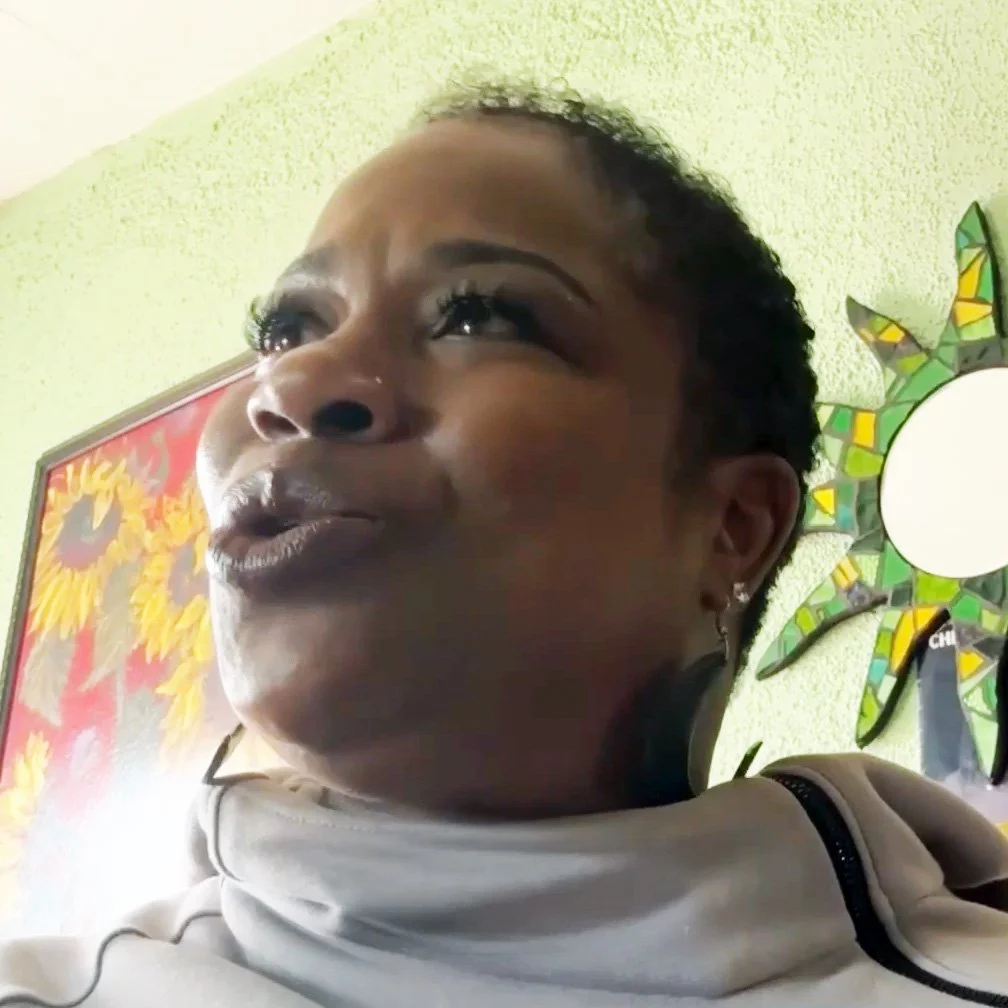
CNN Hero Top 10 finalist and 2024 USA Today Woman of the Year, Shamayim ‘Mama Shu’ Harris, is the founder and CEO of Avalon Village in Highland Park, MI.
There’s a moment in grief that almost no one prepares you for. It’s not the funeral. It’s not the anniversary. It’s the first time you feel real joy again… and immediately feel guilty for it.
In our recent episode of Two Mothers, One Aché with Shamayim “Mama Shu” Harris—community builder, mother, and founder of Avalon Village—one truth surfaced again and again:
Joy is not a betrayal of the ones we’ve lost.
But for many grieving parents and loved ones, it feels exactly like that.
The Loyalty Trap in Grief
After child loss or devastating tragedy, pain can start to feel like proof of love. The deeper the suffering, the deeper the devotion. So when laughter slips out, when something feels good, when life expands again, it can feel disloyal.
There’s an unspoken contract many of us carry:
If I’m still hurting, I’m still connected.
If I feel better, I’m forgetting.
But chronic suffering is not the same as remembrance.
In the episode, Mama Shu speaks about surviving the kind of grief that feels unsurvivable—and waking up the next day realizing, I’m still here. That moment became a turning point. If she was still alive, then the love she carried still needed somewhere to go.
That question becomes central in any grief journey:
When someone dies, where does the love go?
Love Has to Move
Love doesn’t disappear with the body. It doesn’t evaporate at the funeral. It remains in the nervous system, in memory, in instinct, in spirit.
If it has nowhere to land, it can turn inward as guilt, depression, or self-punishment.
But if it’s given a container—purpose, creativity, service, community—it becomes generative.
Mama Shu poured her love into rebuilding land, creating gardens, parks, and spaces named for her sons. She didn’t “move on” from her grief. She built alongside it.
That’s the difference.
Moving on implies abandonment.
Building alongside implies integration.
Joy and Grief Can Coexist
One of the biggest myths about grief is that joy and sorrow are opposites.
They’re not.
You can miss someone fiercely and still laugh.
You can ache and still build.
You can mourn and still feel alive.
Neurologically and spiritually, humans are capable of holding multiple emotional truths at once. Joy doesn’t erase grief. It expands the container that holds it.
If our loved ones are no longer in pain, why do we punish ourselves for feeling alive?
Joy is not forgetting.
It’s love evolving.
Permission to Live
If you’re early in grief, joy may feel impossible—and that’s okay. There is no timeline. But if you’ve been waiting for permission to feel light again, to thrive again, to build again—this is it. Grief does not have to be your permanent identity. It can be your initiation into a deeper, more intentional life.
To hear how Mama Shu embodies this truth, listen to the full episode of Two Mothers, One Ashé. It’s a powerful reminder that purpose can rise from pain—and that choosing joy may be one of the most faithful ways to honor those we love.
Sometimes the bravest thing a grieving heart can do… is live.